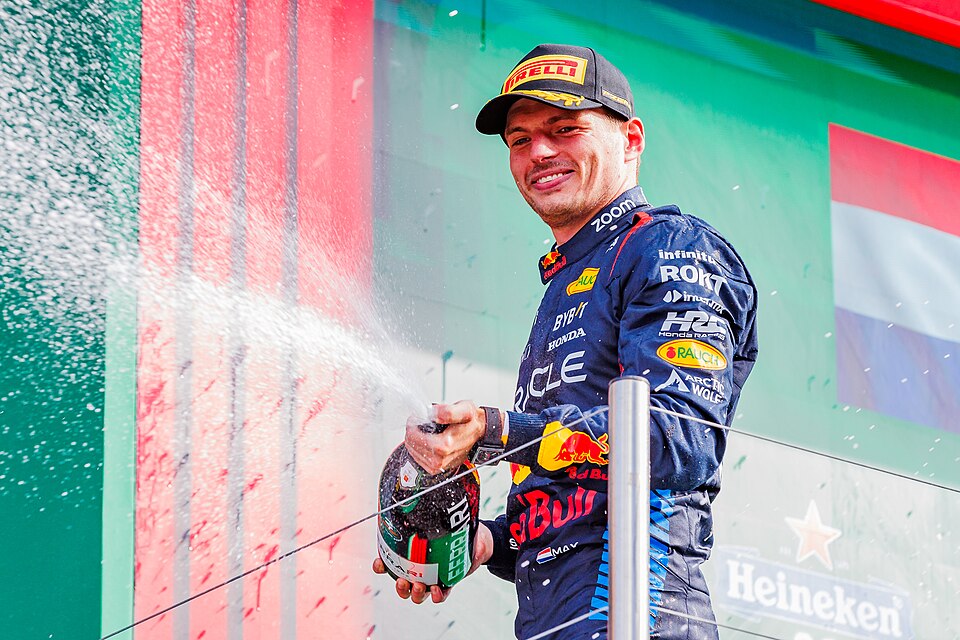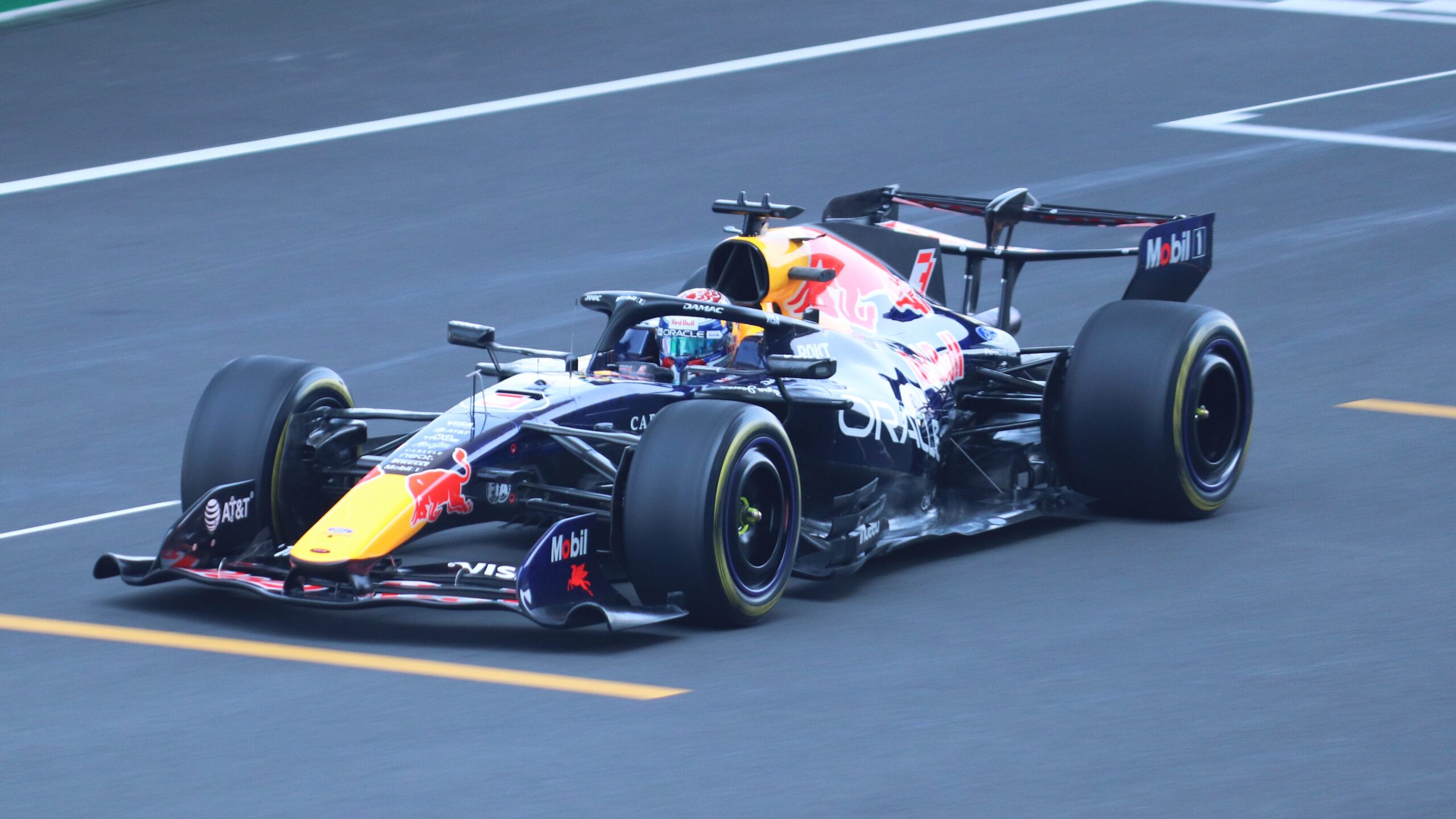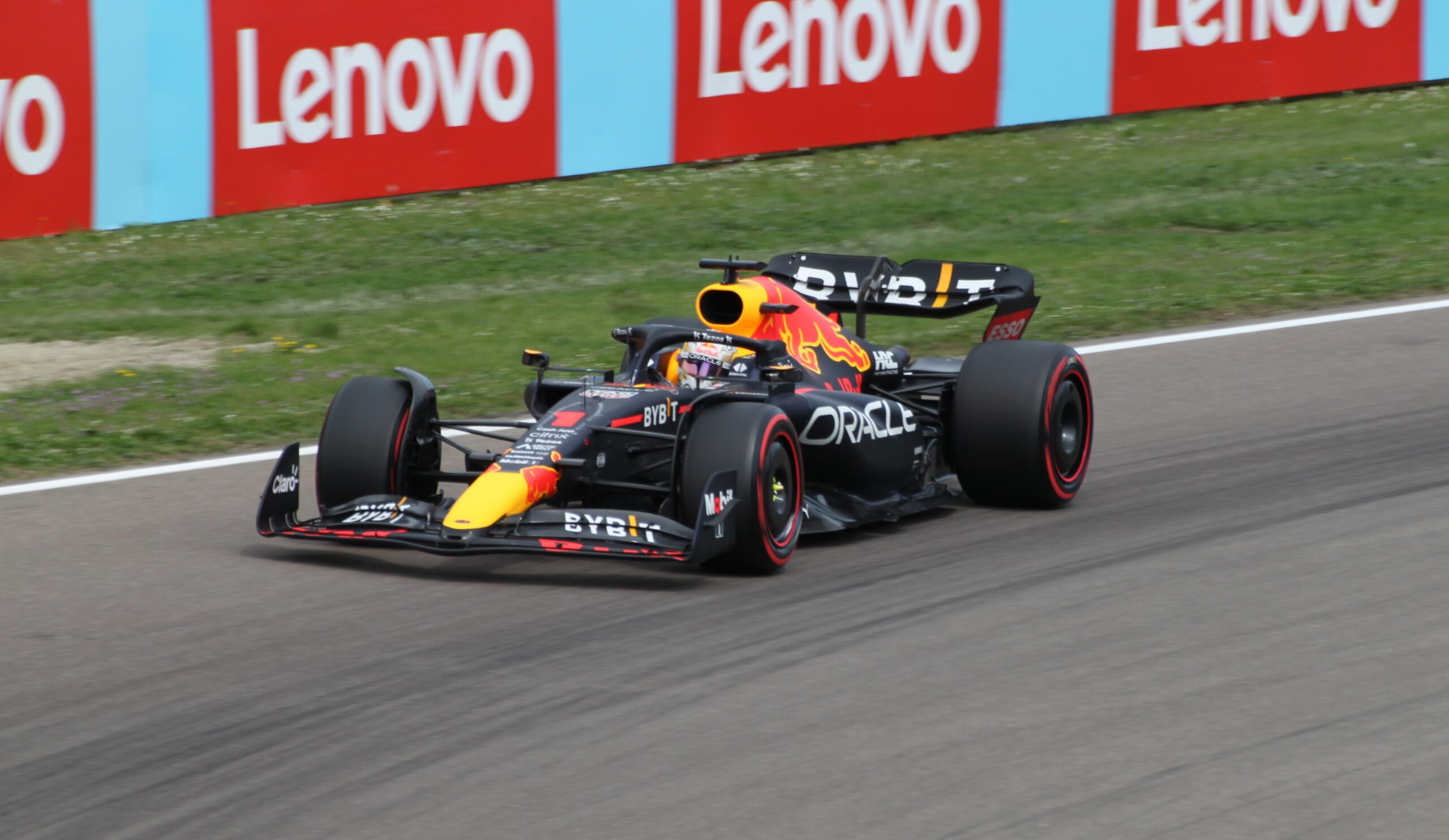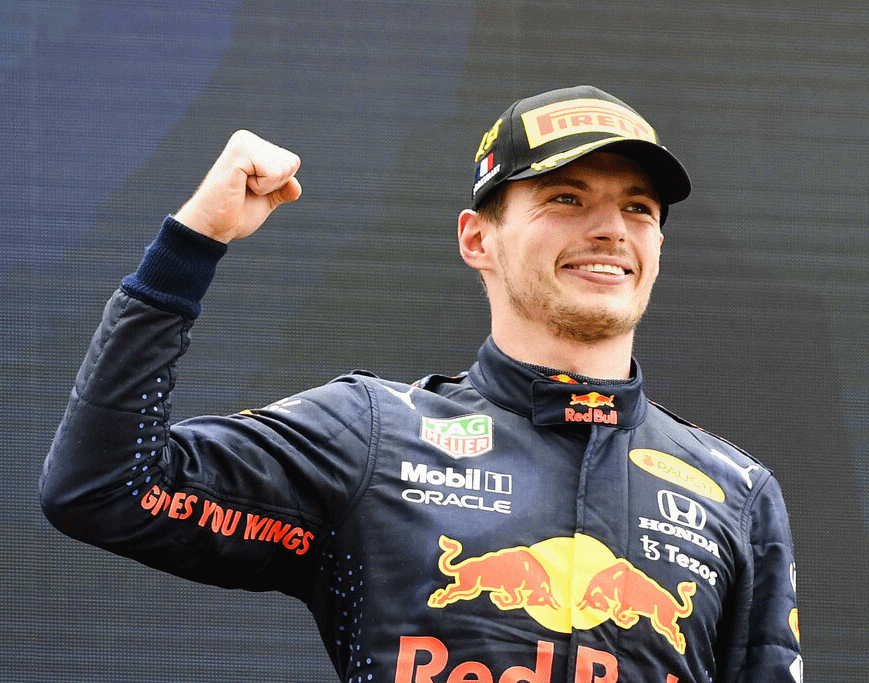

The 2026 F1 Singapore GP sprint qualifying came to an end after a spectacular lap by Max Verstappen. The Dutch driver opted to go for an alternative approach and did a single push lap right at the end of the session. With the help of decent track evolution and the car’s competitiveness, he ended up securing pole position for the sprint on Saturday.
The Dutch driver is being investigated for a yellow flag infringement, so we’re not exactly clear on whether he’ll get penalized or not. For now, though, he has the provisional pole position to his name.
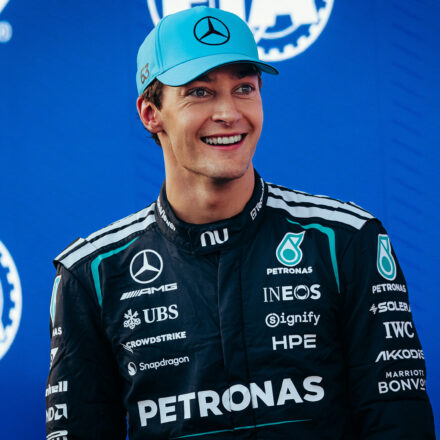
In P2, we have George Russell, whose last-ditch attempt helped him leapfrog Charles Leclerc in his Ferrari. In P4, we’ll have Oscar Piastri, and P5 will be Lando Norris.
Lewis Hamilton was P6, while championship leader Kimi Antonelli was P7. With the first day of running in the F1 Singapore GP race weekend done and dusted, what have we learned? Let’s take a look.
2026 F1 Singapore GP Sprint Qualifying: What Did We Learn?
#1 Red Bull has made a mega step, and Max Verstappen is nailing it
The one area where Red Bull continued to have the edge over everyone on the grid has been operations, but now, with a car that can fight at the front, it’s safe to say that we’re looking at a resurgence of the team. Max Verstappen stamped his authority on the F1 Singapore GP with that pole position lap, and even though he might lose it because of the yellow flag infringement, it is a statement for the rest of the weekend.
There were hints in Baku, then came Malaysia, but the extreme conditions meant that the questions were still not answered. Now, however, the questions have been answered, and this team is back to being the class of the field.
#2 Mercedes’ upgrade package might be a failure
If there ever was an absolute disaster that could happen to Mercedes this season, it might have happened with its failed upgrade package. The team introduced a mega upgrade package that was supposed to add multiple tenths to the car.
By the looks of it, the upgrade hasn’t worked, and the direct comparison between Kimi Antonelli and George Russell shows that. This has a cascading effect, however, which would worry Toto Wolff because design considerations for the future are going to be impacted. For a team that started the 2026 F1 season on a dominant note, there’s a lack of clarity on what the car’s direction would be in the near future, which is just not ideal with rivals catching up.
#3 McLaren’s pace drop is a mystery
McLaren’s pace, or the lack of it recently, has been a mystery for everyone. The team arguably had the best package during the stretch from Hungaroring to Madring. Then came the Baku upgrade package, and for some reason, the car seems to have regressed.
There have been concerns with fuel injectors in the last few races, but the F1 Singapore GP was the litmus test for the team, and for some reason, the car just didn’t have the pace to compete.
McLaren was potentially the fourth-fastest car around the track during qualifying, and that is a major surprise for the team after the kind of performances it had at Madring and the tracks prior to that.
#4 Ferrari’s run in qualifying wasn’t optimal
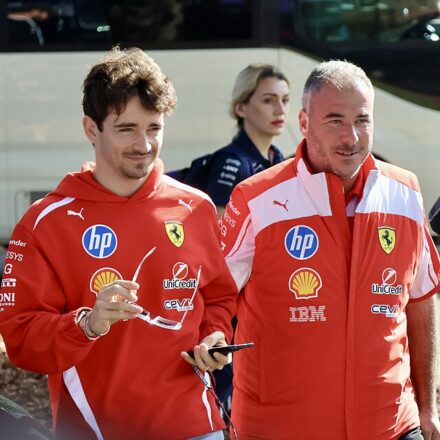
Ferrari topped SQ2 with Charles Leclerc, and it did appear that there was pace in the car to challenge at the front. Leclerc securing provisional pole would have further given credence to that belief. But the timing of the second run for Leclerc, and a lack of a second run for Lewis Hamilton, was strange on a track where track evolution continued to be a factor.
A pole position was certainly not on the table, looking at how well Max Verstappen did, but maybe a P2 would have been there for Charles Leclerc.
#5 “Software issues” are a black eye for the sport
The F1 Singapore GP sprint qualifying was yet another example of software issues striking the sport in the worst possible way. This time, it was some cars having a sudden drop in power from their power units after the red flag period.
There’s still a clarification that needs to come from the FIA, but the online response to anything involving software issues for these power units has been adverse, and that’s not going to change anytime soon.
The running theme of the overly complicated power units, where the power is not in the hands of the drivers, is arguably the worst thing about the new set of regulations that we have.